








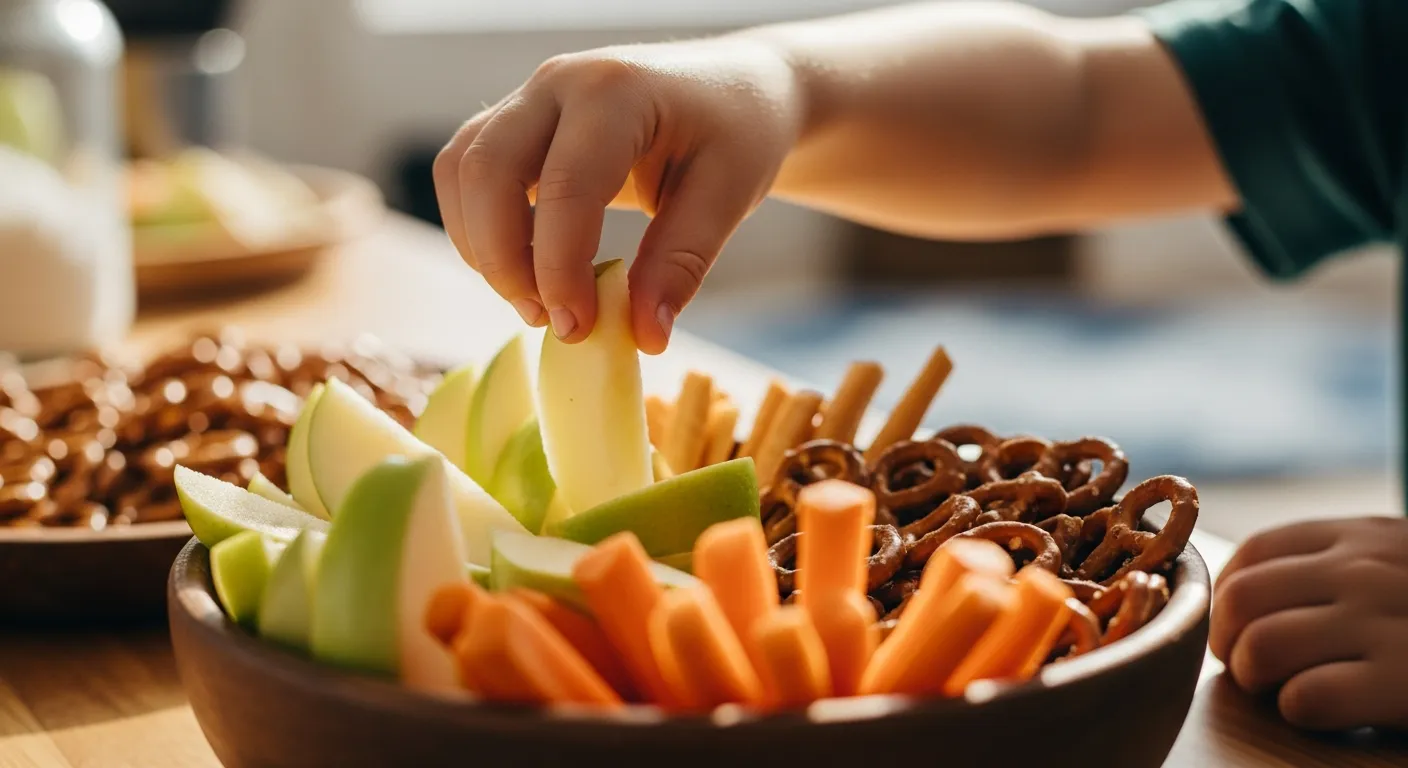
First eating habits effect how young mouths learn to manage texture and movement. Gentle food choices support muscle coordination while reducing prevention during meals. Easy-going options help children explore chewing at a relaxed pace. Gradual experience builds confidence without overwhelming developing skills. The idea behind soft surfaced snack options designed for developing chewing skills naturally reflects patience rather than pressure. Many families include toddler snacks that encourage practice while keeping mealtime calm and enjoyable.
Understanding Early Chewing Development
Eating skills grow step by step through daily practice. Soft foods allow toddlers to control jaw movement safely. Gentle feels reduce sharp worries. Regular contact supports coordination between the tongue, teeth, and jaw muscles.
Soft Choices Supporting Skill Progress
Soft snack options make learning enjoyable and stress-free. Easy textures encourage repeated chewing practice.
- Soft bites help toddlers practice jaw movement without excessive effort
- Gentle textures reduce fear during early chewing attempts
- Easily mashable snacks support safe swallowing confidence
- Balanced softness improves acceptance during unfamiliar eating moments
- Smooth consistency supports tongue coordination development
- Mild resistance encourages chewing rather than sucking
- Comfortable textures lower frustration during skill learning
- Simple shapes help toddlers manage food control
Texture Progression Encourages Confidence
Gradual texture changes help toddlers adapt naturally. Slight firmness challenges the chewing muscles gently. Progressive textures build strength over time. Confidence grows with successful chewing experiences.
How Do Soft Snacks Build Eating Skills?
Soft snacks allow toddlers to focus on movement rather than force. Controlled resistance supports muscle learning. Early chewing relies on repetition with manageable textures. Very hard foods overwhelm developing coordination. Soft options give feedback without strain.
Safety and Comfort During Practice
Safety remains essential during chewing development. Soft snacks reduce risk during learning stages. Comfortable textures support calm eating environments. Careful choices build trust during meals.
Role of Routine Snack Exposure
Routine snack times create predictable practice opportunities. Steadiness helps toddlers learn faster. Many parents trust on toddler snacks as part of their daily routines. Repeated exposure strengthens chewing skills gradually.
Comparing Texture Levels for Learning
Understanding texture differences helps caregivers choose wisely. Not all softness offers the same benefits. Gradual progression supports better outcomes.
| Texture Type | Skill Support Level | Toddler Response |
| Very Smooth | Limited chewing practice | Mostly sucking |
| Soft Mashable | Basic chewing development | High acceptance |
| Soft Chunky | Improved jaw coordination | Growing confidence |
| Firm Soft | Advanced practice | Requires supervision |
| Hard Foods | Not suitable early | Frustration risk |
The table shows why texture progression matters. Thoughtful selection supports safer skill development.
Sensory Awareness Through Texture Variety
Texture variety helps toddlers understand food through touch and mouth feel. Gentle differences improve awareness while keeping chewing manageable.
- Soft-textured foods help toddlers recognize pressure changes during chewing
- Mild texture contrast improves tongue movement control gradually
- Gentle firmness builds awareness without causing chewing fatigue
- Smooth to soft transitions support learning confidence
- Sensory exposure strengthens coordination between the mouth and hands
Portion Size Supporting Skill Control
Appropriate portion size makes chewing practice easier and safer. Small pieces allow better control during early learning stages.
- Bite-sized portions reduce overwhelming mouthful sensations
- Smaller servings encourage repeated chewing attempts safely
- Controlled portions support jaw strength development steadily
- Easy-sized pieces help toddlers manage food positioning
- Portion awareness builds independent eating confidence
Mealtime Environment Encouraging Practice
A calm environment helps toddlers focus on chewing rather than distractions. Relaxed settings improve learning outcomes naturally.
- Quiet surroundings help toddlers concentrate on chewing movements
- Familiar seating positions support stable posture during eating
- Unrushed meals allow skill development at a natural pace
- Positive encouragement builds confidence during practice
- Consistent routines create predictable learning opportunities
Chewing Development FAQ Section
- When should chewing practice start? As soon as soft solids are introduced.
- Why avoid hard foods early? They overwhelm developing chewing muscles.
- How often should practice occur? Daily exposure builds coordination.
- Does texture variety matter? Variety strengthens different oral muscles.
- Should supervision continue? Yes, supervision ensures safe learning.
Growing Skills Through Gentle Choices
Strong chewing abilities form through patience and repeated exposure. Soft textures support learning without stress. Gradual progression builds confidence and coordination. Routine practice encourages natural development. Over time, soft textured snack options designed for developing chewing skills naturally become effective tools for helping toddlers master essential eating skills through calm, supportive habits.


